
News and Insights
Interconnected global gateway cities unlocks luxury retail market for Chelsfield
As luxury retail continues to evolve, having a physical retail presence in many of the major international gateway cities gives us a unique vantage point.
Knowing what is happening at a global level with luxury retail and then how that affects our investment portfolios in London, New York, Paris, Hong Kong, Shanghai, Singapore and Tokyo, means we can anticipate the direction of the retail cycle and provide the right solutions for international brands. “Retail is highly correlated between global gateway cities so what’s happening in Hong Kong is going to have an impact on New York and then London,” says Rebeca Guzman Vidal, Chelsfield’s Group Head of Retail Strategy. “Having visibility throughout our portfolio and being able to connect the dots is very powerful.”
We proactively meet retail brands with a presence in our portfolio to understand their business plans and identify opportunities for the assets we have under management. We want to be able to offer the best and most prestigious locations, and building these meaningful relationships can often result in bespoke solutions.
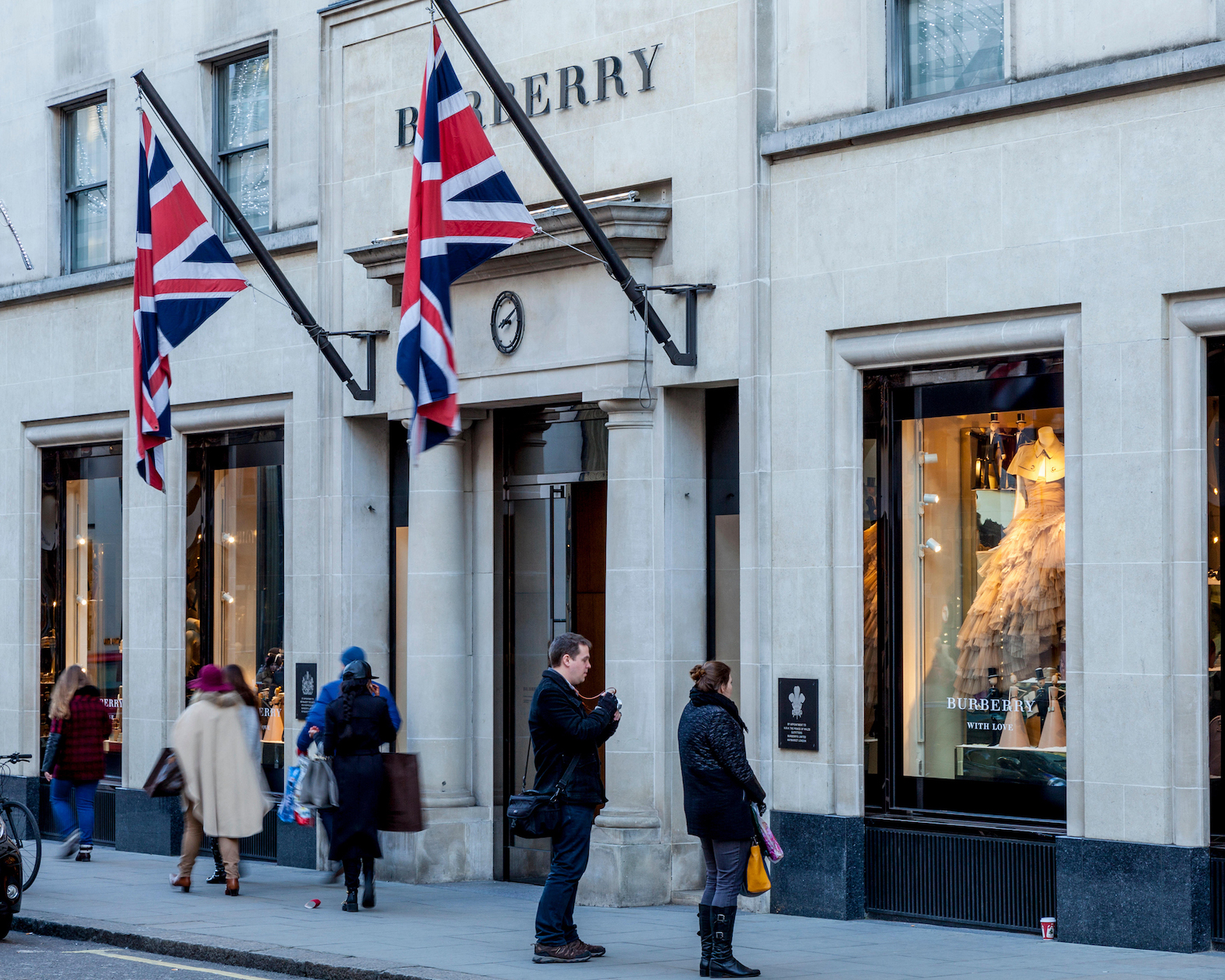
In London, we successfully developed a store for Burberry on Bond Street. Now, we are delivering a flagship store, which they agreed to three years ahead of completion, in a new mixed-used development within The Knightsbridge Estate, owned by The Olayan Group. At 54 Avenue Montaigne in Paris, a property we also manage for The Olayan Group, we are working with existing tenant Dolce & Gabbana to deliver an outstanding flagship store that will be one of the largest on the street.
As we strive to work with our existing tenants in other global gateway cities, we are also adapting to the newer brands emerging on the scene. “Some of the deals we are doing today are with businesses that didn’t exist 10 years ago,” says Guzman Vidal. “There’s no doubt that online retail is affecting physical retail and the luxury shopper has become savvier. However, there is also rise in digitally native brands opening stores in locations where they already have customers, identified by their data intelligence.”
This evolution is also changing how we work with retailers. “While there is more demand than there was 10 years ago, it is not all for institutional leases – brands now want more flexibility in leases and are spending more CAPEX in pop-ups than ever before, which we see as an opportunity,” says Guzman Vidal. “Partnering with brands that can build communities and experiential stores is vital to deliver rental growth and ultimately better returns.”